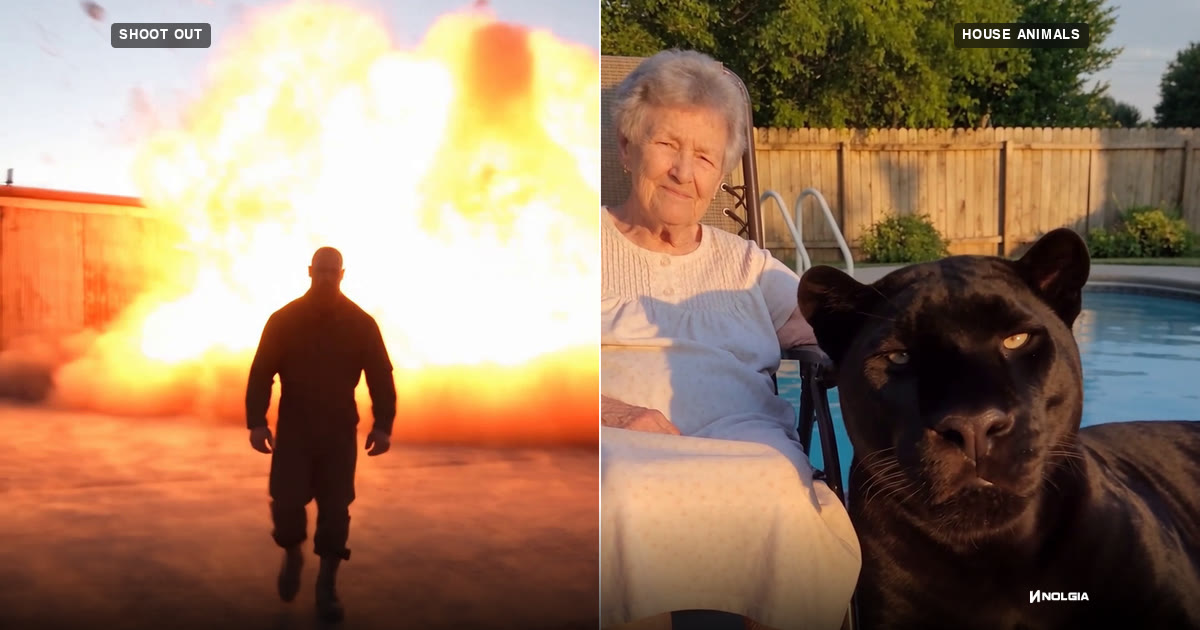
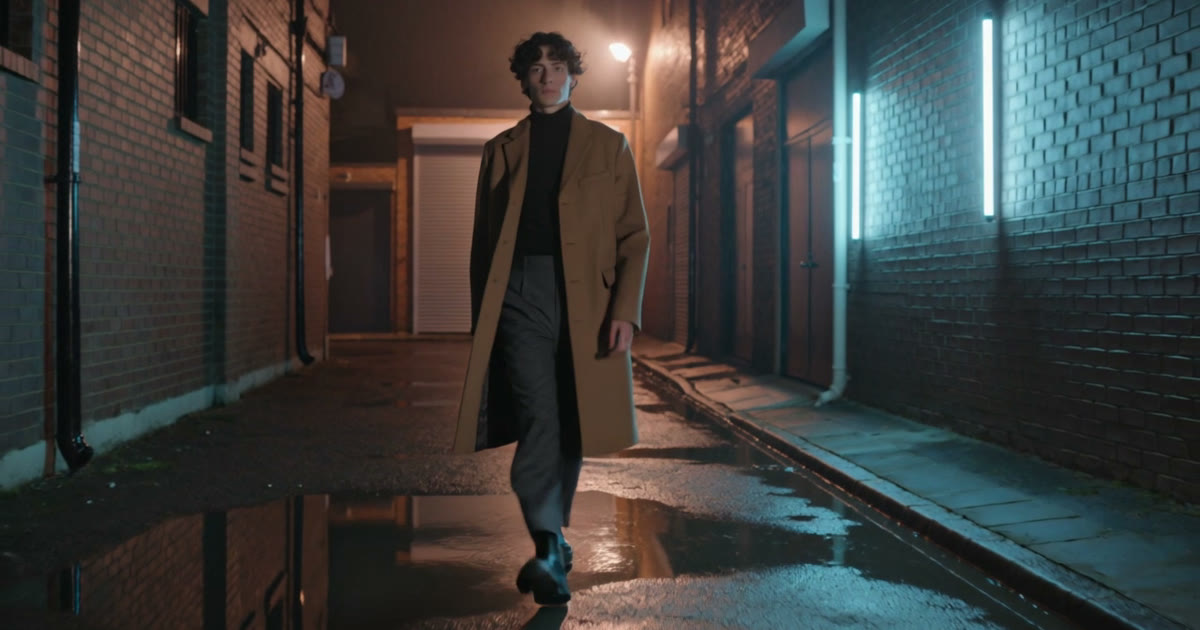
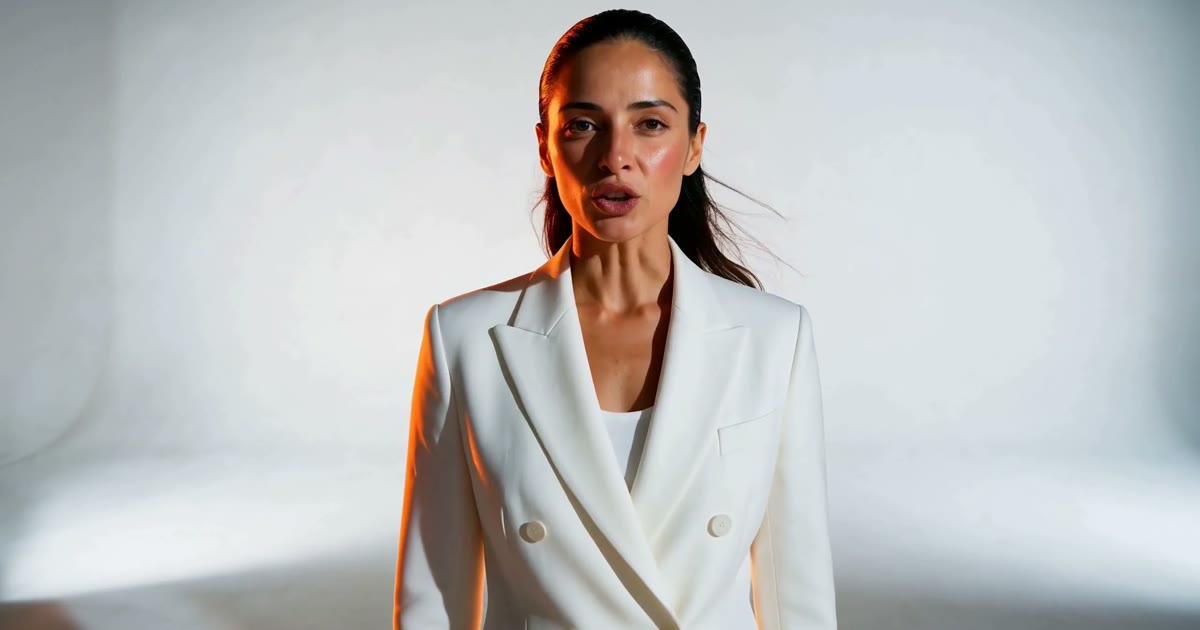
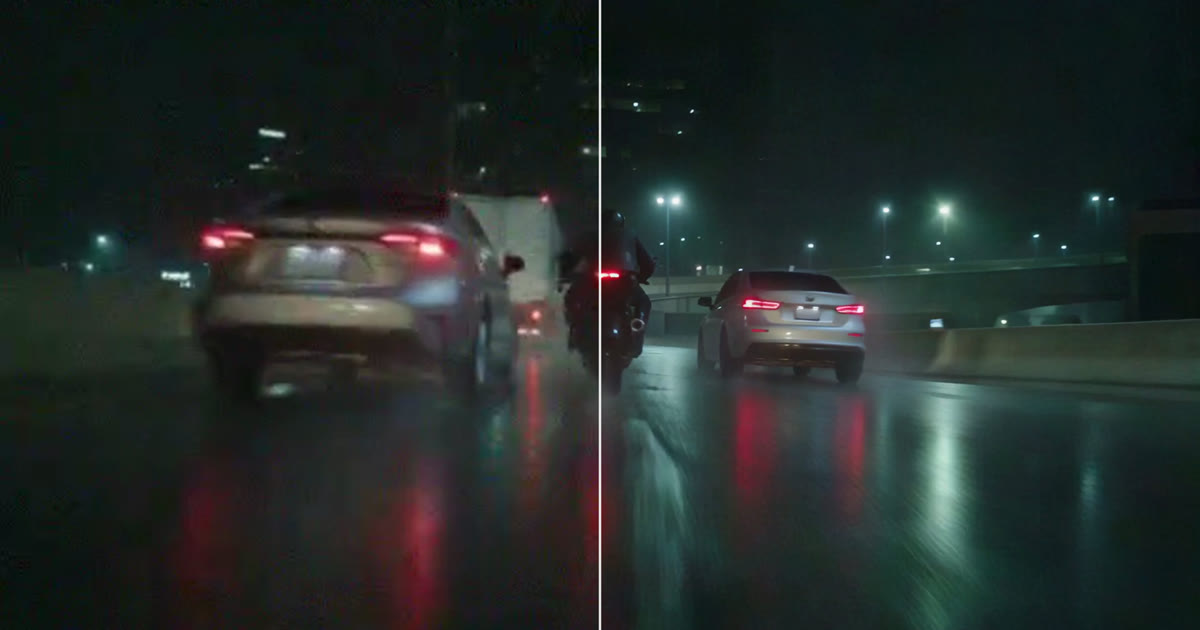
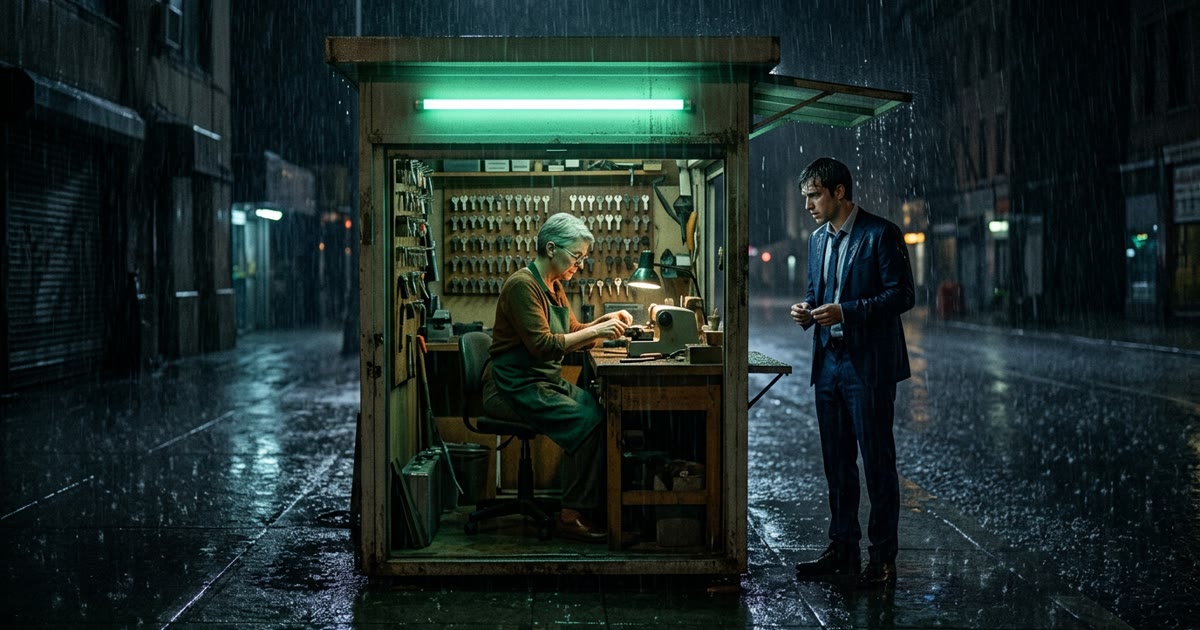
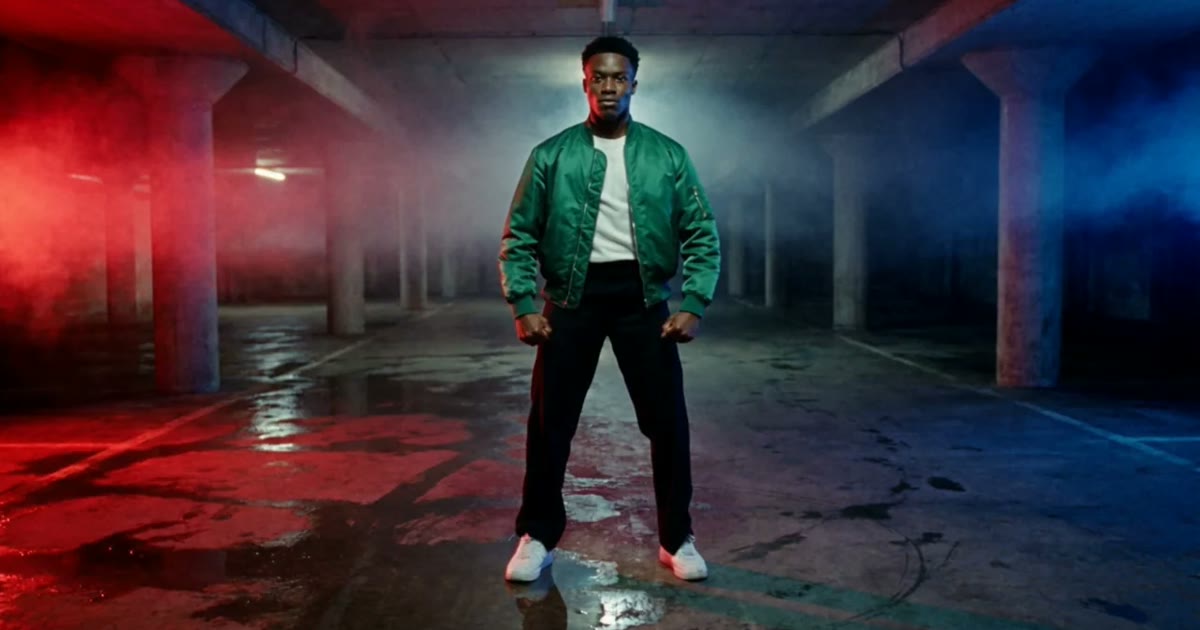
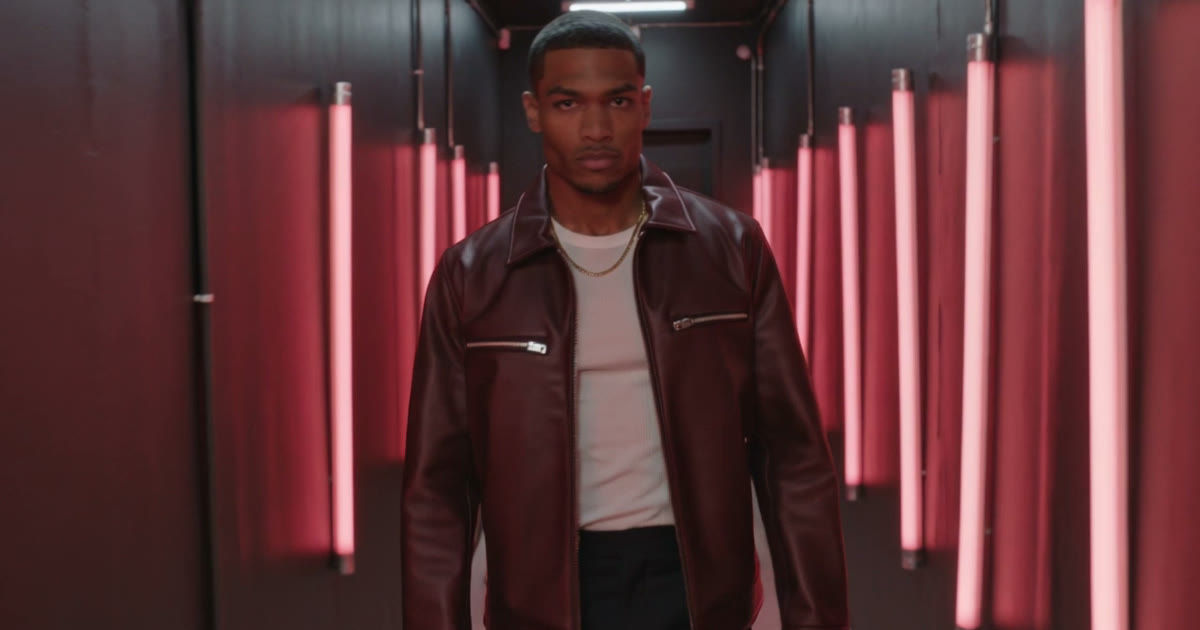
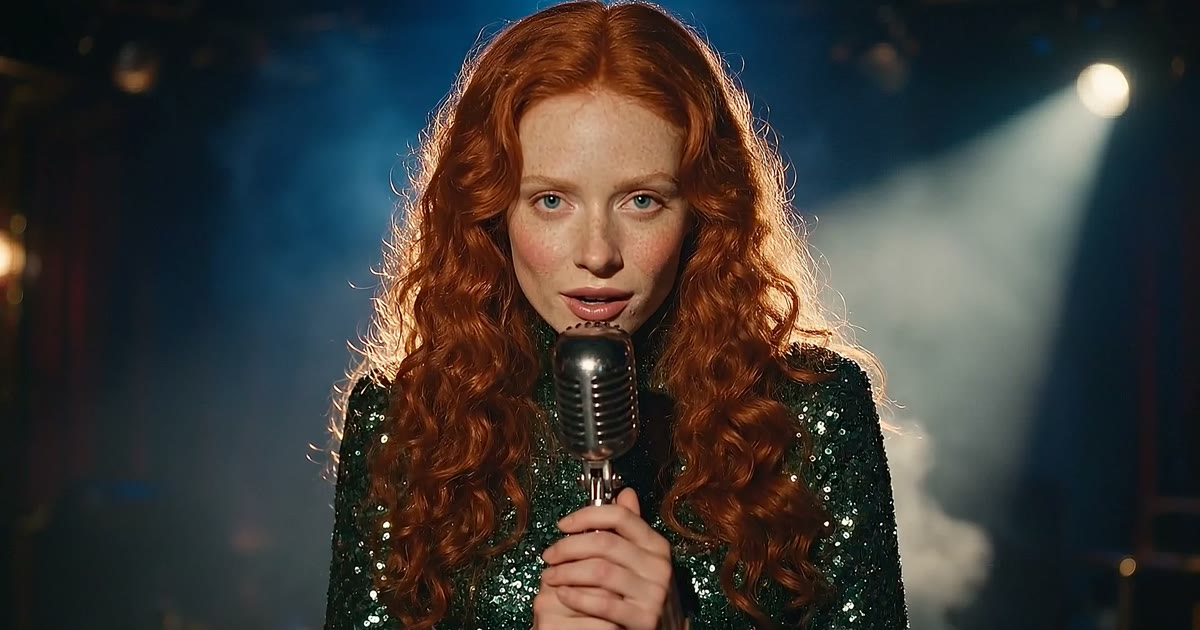
The clips that stop the scroll look like a neighbor's old home video: an ordinary place, a cheap camera, and one thing that should not be there, treated as if it were normal. Here is how three NOLGIA projects in that style were made, shot by shot, with every prompt as it was sent, the drafts that missed and what changed between them.
The step-by-step workflow for realistic AI video: plan with the NOLGIA Agent, lock the characters and the place, write every shot beat by beat for Seedance 2.5, then score and cut.
Script, one saved narrator voice, b-roll in a locked look from the video composer, the cut in Studio, and the NOLGIA Agent for the next episode. Two short episodes made for real.
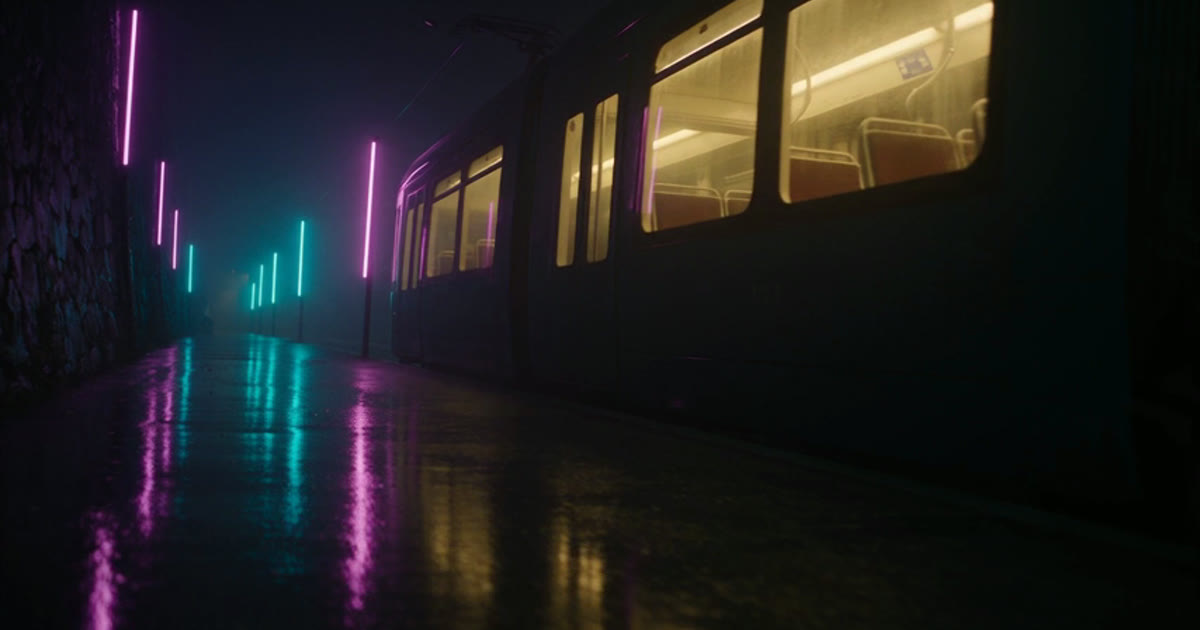
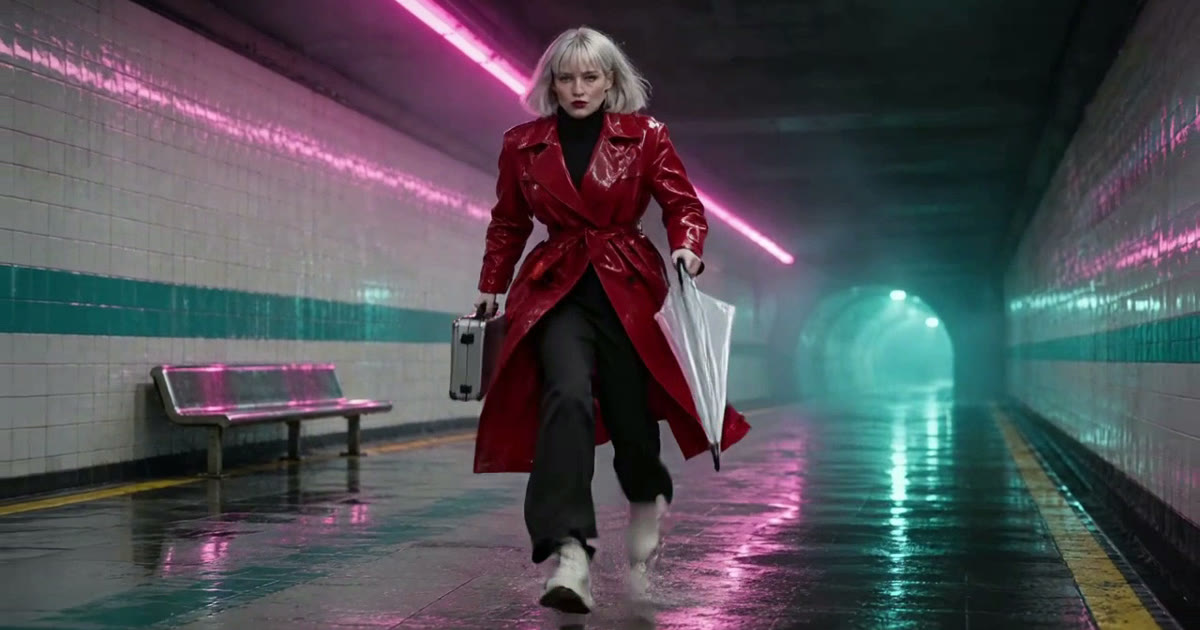
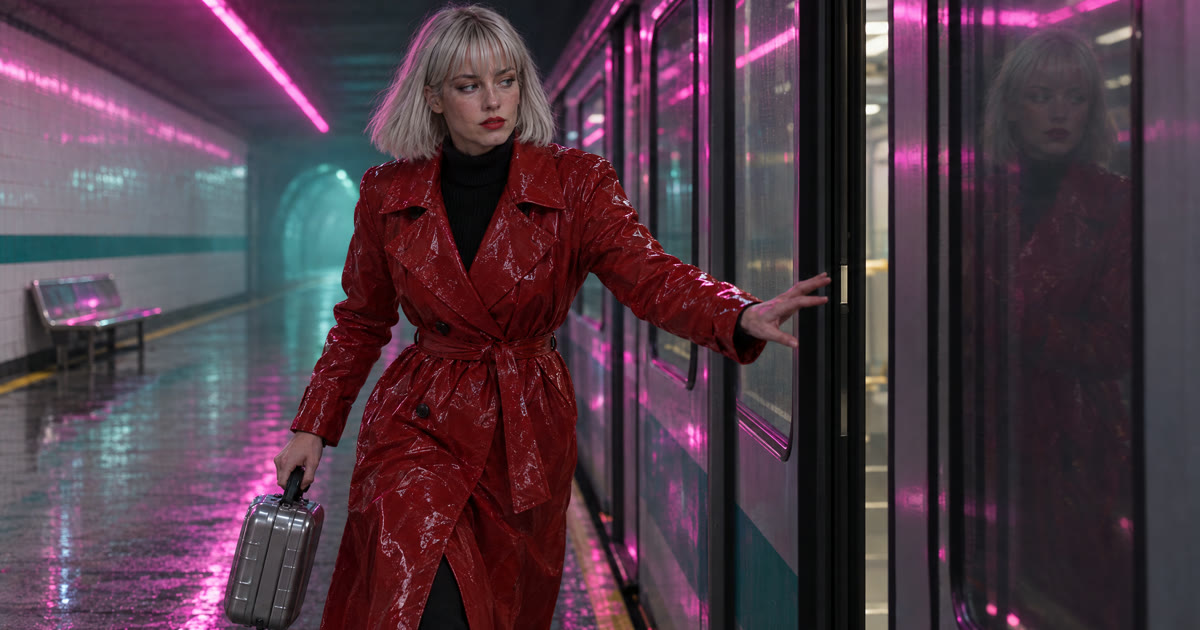
A 25 second film, Last Train, from a five line script to a graded cut: a saved character, a saved location, a prop, frames first, then shots, sound, Studio, and the export to Premiere or Resolve.
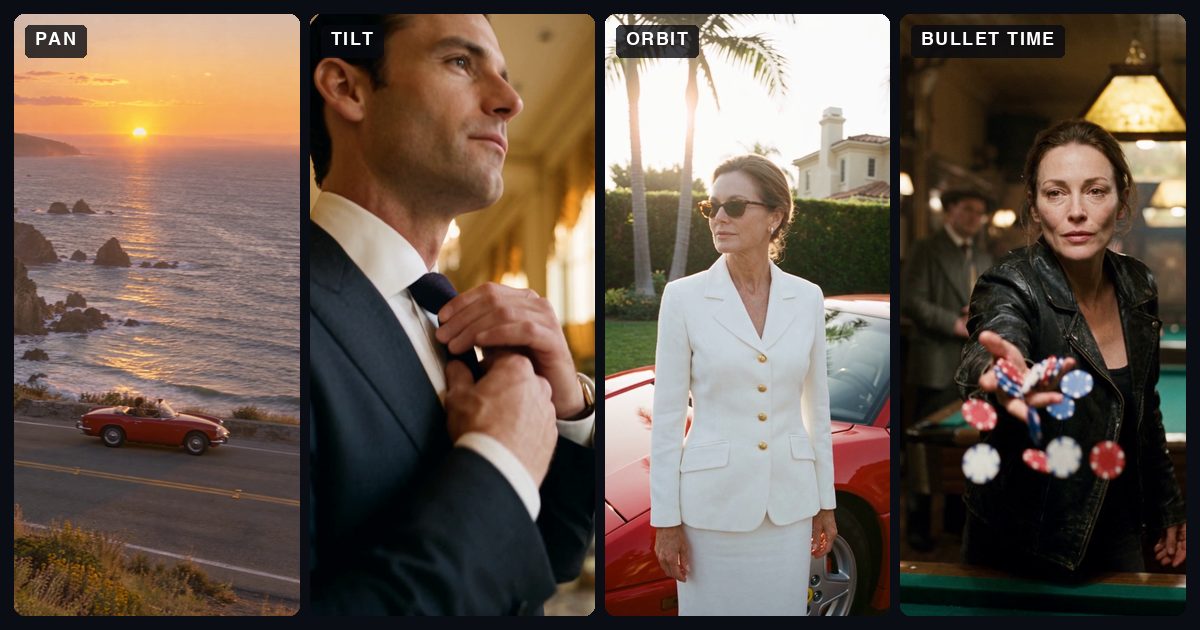
Twelve camera moves in plain words: what the camera does, what it makes people feel, the words to write in your prompt, and the move each one is confused with. Each with a clip made in NOLGIA.
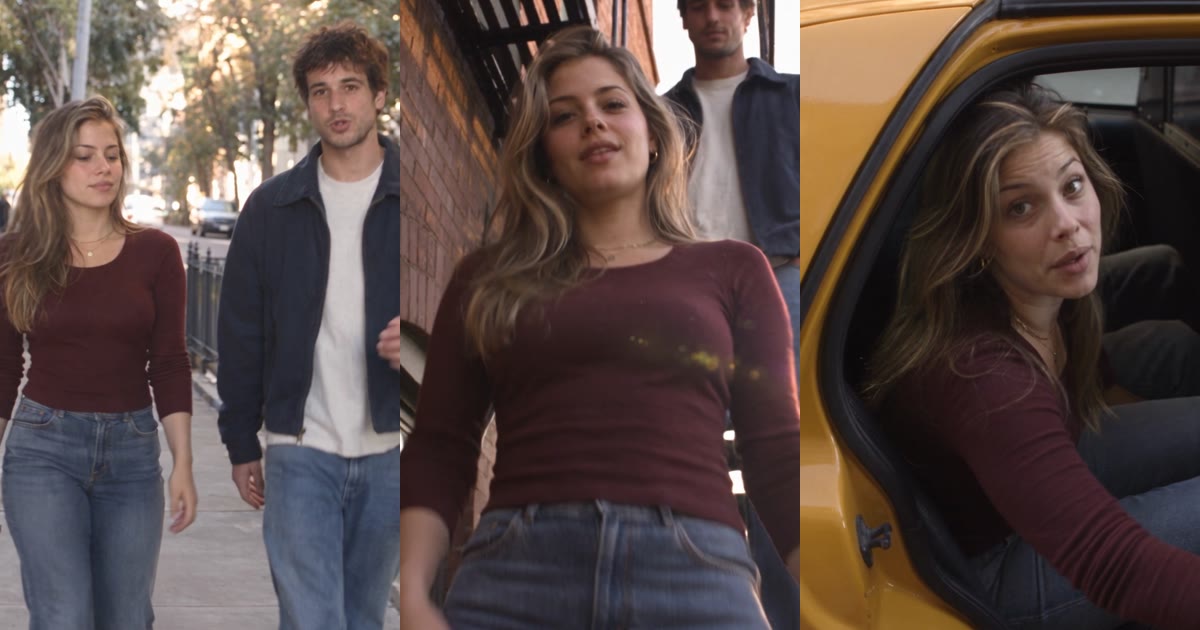
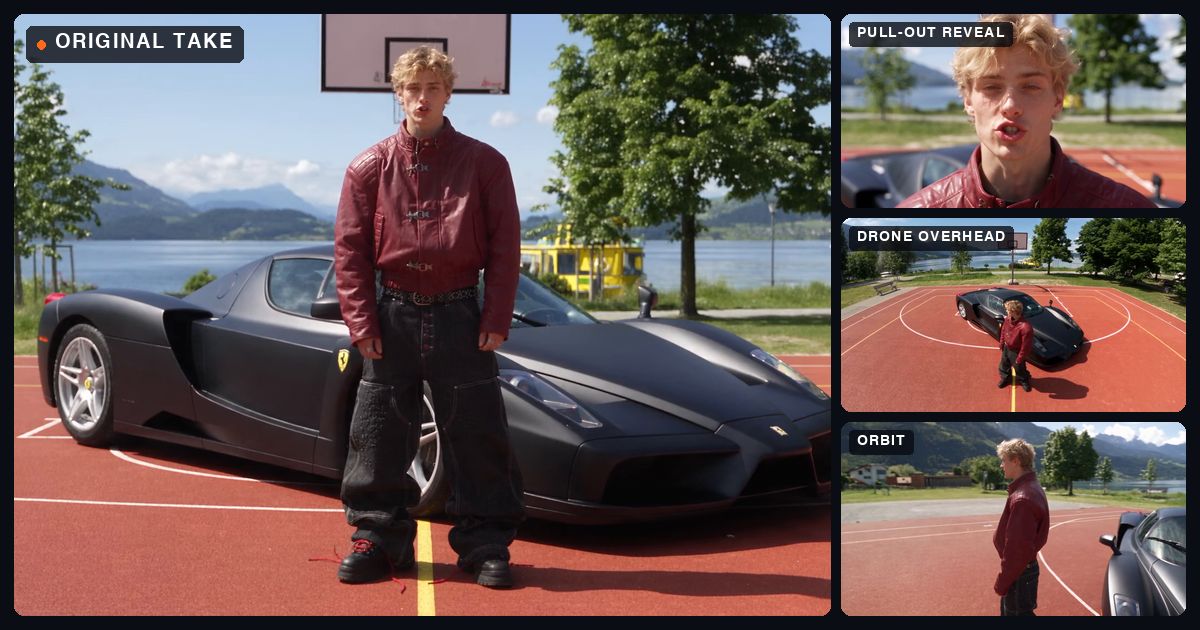
Turn one locked off take into a multicam edit: a real NOLGIA project from the take to the cut, with every prompt as it was sent, the angles that worked, the ones that missed and what it all took.
Six fixes for melting hands, drifting faces and objects that change shape mid-clip: the prompt, a reference image, the model, the length, the size and a restore pass. Each tested on one shot.
The price is on the Generate button, the job holds it while it works, and the hold becomes a charge or a refund. Here is when credits come back after a failure, a refusal or a cancel.
A saved character, a saved location and one repeated sentence per prop: what actually held across five shots of one film, measured object by object and by colour, and the two gaps that did not.
Split a 60 to 90 word script into shots, generate each one in the video composer with a camera move, record the narration, cut it in Studio and export. Every step run for real.
People move badly in AI video when the prompt names an action, not its physics. One backflip on four models from the same frame, plus three pairs on weight, contact and timing.
Three sentences make a clip read as filmed: a named light source, a walk with weight, a camera someone is holding. Each tested before and after on Kling v3.
The MiniMax video models NOLGIA carries: Hailuo 3 with subject references and spoken lines at 2K, H3 Max with a start and an end frame or text alone, and the older Hailuo 2.3. Real renders per input.
Restore Video re-renders a clip from your Library at up to 8K, cleaning noise, compression and softness. Pick the engine by what is wrong with the clip, and know what it cannot bring back.
One Claude Code session and the NOLGIA MCP tools: a project, an approved hero, three creatives in two sizes, filed and checked from the terminal. The real transcript, stop and all.
NOLGIA has no storyboard tool. The honest path is the agent: paste a script, ask for a shot list and one frame per shot, and review the real transcript and frames it made.
How to write for Seedance 2.5 on NOLGIA: text to video, a still as the start frame, a take as @Video1 with its sound, the six aspect ratios, 4 to 30 seconds, and what it refuses.
The seven ways a video prompt goes wrong, each rendered twice on Kling v3: the vague prompt, then the same prompt with one fix. Copy the fixes, and read what a seed does not do.
Save a catalog voice on a character, read every line with Speak as, and lay a music bed and a sound cue under it in Studio. One narrator, three clips, made for real.
The three Veo 3.1 tiers NOLGIA carries, what each takes (a start frame or up to three references, 4, 6 or 8 seconds, 16:9 or 9:16), how to write a spoken line, and what it refuses.
Make a narration line, a music bed and a sound effect in the audio composer, then lay them under your clip in Studio. Which model does which job, and what each one costs.